DIRECT — FOR REPRESENTATIVE JIM WALSH, 19TH DISTRICT
GRAYS HARBOR FIRST
County to county. City to city. Harbor to harbor.
Representative Walsh — everything is loaded here, so nothing has to come by email. The letter, the one page, the state-money routes, and the ask.
— Angel Potter
← Back to pohdner.comTHE LETTER
To: Representative Jim Walsh, 19th District
From: Angel Potter
Date: Wednesday, November 18, 2026
Re: Thank you
Representative Walsh,
Thank you for what you are doing. Your announcement that you will propose freezing a homeowner’s taxable value at its purchase price is a highly positive move, and I wanted you to hear that directly from me.
I understand the values between the counties, given my building and rehabbing and experience there. I have built and rehabbed in Grays Harbor, and I have seen firsthand what rising values do to the families who stay. When the tax bill climbs past what a family can carry, the family loses the land — and the land loses the family. Your proposal speaks straight to that.
The structure is simple, and it all fits with your proposal. The state already has flood and emergency money for the sewer and water work underneath these buildings. Washington already moves large tax value for builders — the multifamily tax exemption, sales-tax deferrals for converting commercial buildings, historic-building special valuation, Low-Income Housing Tax Credits, and Housing Trust Fund grants — and Grays Harbor citizens ask for the same fairness, directed to the families who stay. And the rehab itself is done by our own local tradesmen — the electrician, the plumber — starting with Lewis Street Commons in South Aberdeen, our proposed pilot site. Your freeze holds a family’s taxable value steady; this structure rebuilds the buildings around them. I am laying the full structure out in plain words at pohdner.com, so anyone can follow it.
I would like to see where you take it from here. I would love to hear you interviewed on this on Grays Harbor radio, where people are already asking questions about it.
Grays Harbor first: generational housing that keeps families together on their land, with the citizens standing behind it. I would welcome the chance to sit down with you about it.
Thank you again for moving on this.
Angel Potter
(425) 591-0120
thefinancelady@icloud.com
pohdner.com
THE ONE PAGE — YOUR FREEZE PROPOSAL + GENERATIONAL HOUSING
1. His proposal (his announcement, Friday, November 13, 2026).
Rep. Jim Walsh will propose a joint House resolution in the 2027 legislative session to cap the taxable value of a homeowner’s primary residence at its purchase price. Modeled on his 2023 proposal (HJR 4200). The cap resets on sale, transfer, or major improvements. As a constitutional amendment, it needs legislative approval and then voter approval. This is a proposal, not a law.
2. Why it fits generational housing.
Families who have held their homes for generations are taxed off their land as values rise. A purchase-price cap lets them stay, age in place, and pass the home down — health and generational wealth for each community, the same as what the chiefs agreed. The freeze protects the home; CCH housing protects the family in it.
3. The CCH proposal (carried to Rep. Walsh through the legislature).
Sponsor a Family — CCH Housing, for veterans and US citizens. A citizen-to-citizen sponsor path: a named sponsor, a written agreement, a plan, and a support contact — not a government program. Partners: tribal nations, Catholic Community Services, and other 501(c)(3)s. A citizen tally in support is carried to Rep. Walsh as CCH moves through the legislature. This is a proposal, not a law.
Our goal is full circle: to guarantee the tax-paying citizens and residents of this Grays Harbor community — elders, baby boomers, veterans, workforce people, and young people aging out of foster care — their first rights of generational housing. This is more than leveling the playing field. This is rebuilding the community and giving family back to each household being displaced.
4. Flagship pilot — PROPOSED, nothing secured.
Pilot Site A: Lewis Street Commons, 0 Lewis St, South Aberdeen. Three 12-unit buildings, 36 units, 2 bedrooms and 2 bathrooms each. Listings state zoning complete and permitting near completion. No purchase, no partnership agreement, and no owner yes is on file.
5. Builder tools already in law — the fairness ask.
Washington already moves large tax value for builders: the multifamily tax exemption (MFTE, RCW 84.14 — 8, 12, and 20-year exemptions), sales-tax deferrals for converting commercial buildings, historic-building special valuation, Low-Income Housing Tax Credits, and Housing Trust Fund grants. Seattle’s MFTE alone forgone $39.4 million in property tax in 2024, on $3.96 billion in deferred new-construction value. Grays Harbor citizens ask for the same fairness, directed to families who stay and build generationally.
6. The ask.
A meeting with Rep. Walsh; that he carry the CCH citizen tally; and that his freeze resolution and CCH generational housing move together, so tax relief reaches the families who stay on their land.
Prepared by Angel Potter, pohdner.com, Wednesday, November 18, 2026. Proposal, not law. No endorsement is claimed by Rep. Walsh, by any city, by any builder, or by any property owner. Sources: WA House Republicans release, Nov 13, 2026; The Chronicle, Nov 16, 2026; Grays Harbor flagship study, Oct 26, 2026 (workspace draft).
THE GOAL — FIRST RIGHTS OF GENERATIONAL HOUSING
Our goal is full circle: to guarantee the tax-paying citizens and residents of this Grays Harbor community — elders, baby boomers, veterans, workforce people, and young people aging out of foster care — their first rights of generational housing.
Citizens are voting in now at pohdner.com — adding their names to the tally carried to Rep. Walsh — so he can position legislation faster and easier, for a community already moving.
The harbor communities surrounding the big cities are feeling the impact now: stack ’em, pack ’em, herd them into the city, and voucher them out. That is not taking care of our baby boomers, our military, our workforce, or our foster care communities.
Protecting these harbor communities — and the families in them — is the core reason pohdner.com stands.
The right to generational housing — for the citizens who stay, and the protection to keep it.
STATE MONEY ROUTES — VERIFIED PROGRAMS ONLY
The rule that shapes everything: state grant and loan money flows to cities, counties, nonprofits, tribes, housing authorities, and special districts — not to a private citizen directly, and not to a contractor directly. The survey and repair work gets paid as contracted work through the eligible applicant. Which eligible entity would apply for Grays Harbor is an open question. No application has been filed and no office has been contacted.
1. Public Works Board — Flood Resilience Grants (climate money, best fit for sewer)
Funded by Washington’s Climate Commitment Act. Open continuously until funds are exhausted. Maximum $1,000,000 per project. September 4, 2026 awards ($7.45 million total) included Grays Harbor County projects; the Hoquiam River project included water and sewer utility replacement. Applicant: local governments (city/county).
2. Public Works Board — Emergency funding
Open continuously until funds are exhausted. Maximum $1,000,000 per project. $5.1 million remained for the 2025–27 biennium as of September 2026. Recent awards covered wastewater failures. Applicant: local governments.
3. Ecology Water Quality Combined Funding Program — septic surveys + repair
Competitive grants and low-interest loans. Septic projects expressly include surveys of existing systems, planning, design, construction, and local repair/replacement programs. Centennial grants: maximum $500,000 per septic project. Clean Water State Revolving Fund loans: maximum $10,000,000 per project. Timing: annual window August–October; the SFY 2028 window closed September 30, 2026; the next window opens late summer 2027. Eligible applicants: cities, counties, conservation districts, nonprofits, special purpose districts, towns, tribes.
4. Connecting Housing to Infrastructure Program (CHIP) — sewer/water for housing
Commerce grants to a city, county, or public utility district in partnership with an affordable housing developer. Requires at least 25% of units affordable below 80% of area median income for at least 25 years. Grants up to $1,000,000. Latest round closed September 2026; awards announced January 2027.
Sources: WA Commerce, Public Works Board awards release, Sept 4, 2026; Ecology SFY 2027 Funding Guidelines (Pub. 25-10-043); OFM Capital Grant/Loan Programs page (updated Nov 10, 2026); Commerce CHIP page. Researched Tuesday, November 17, 2026.
REBUILDING WITH OUR EXISTING TRADESMEN
This is not another voucher housing system. This is truly rebuilding with our existing tradesmen — the electrician, the plumber — starting with the Lewis Street Commons site.
The sequence: survey the buildings, cost the work to standard, stop the contamination, house people properly. Survey first, then cost, then work to standard — with the buildings turned over to citizen generational housing or business operations, not another government voucher system.
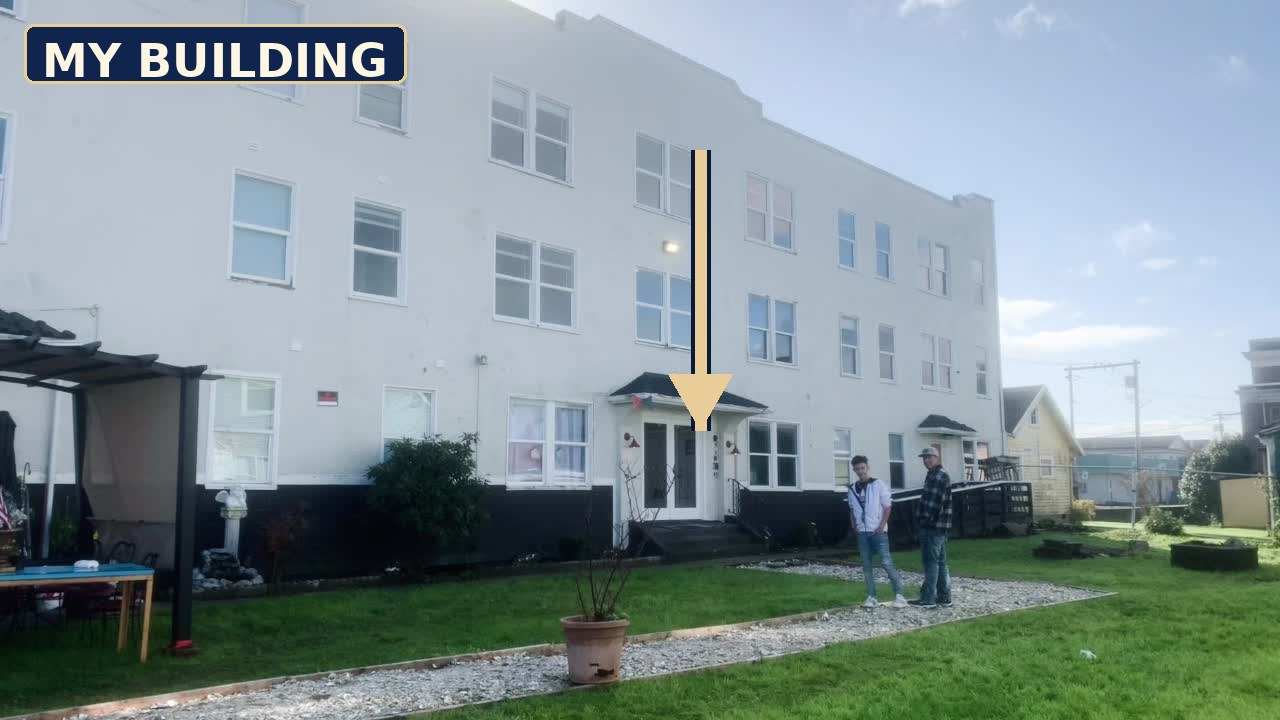
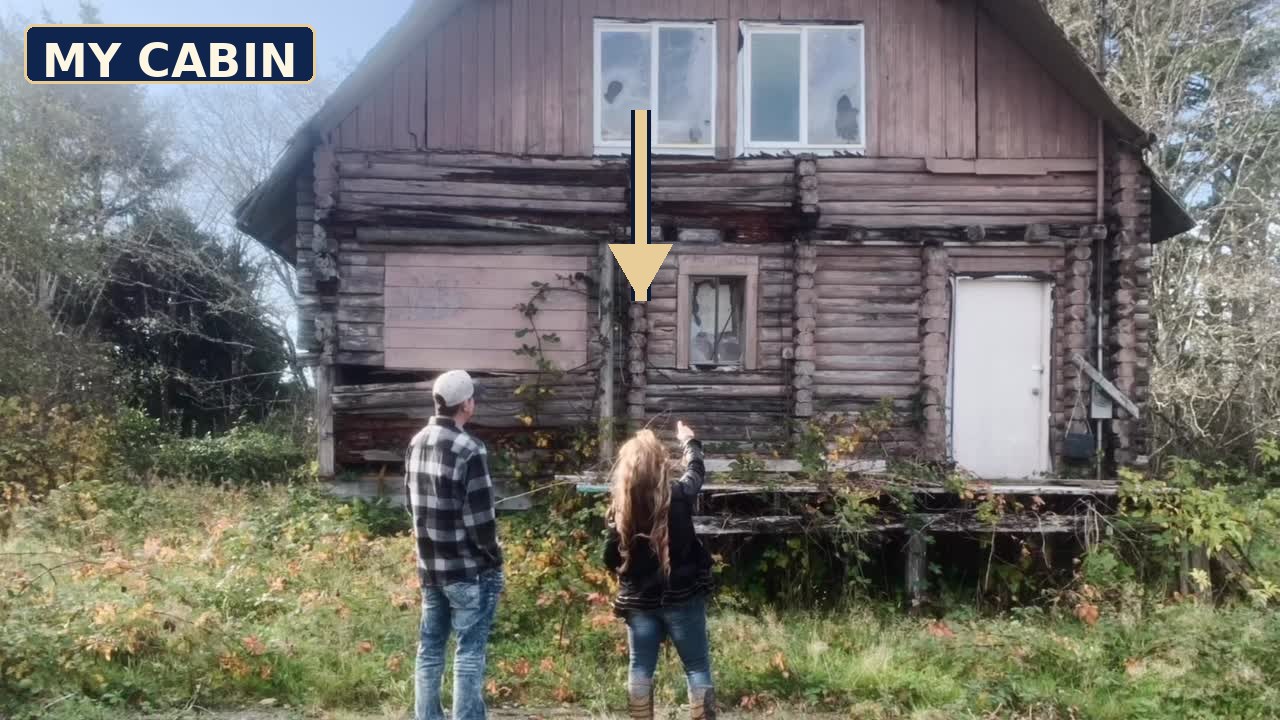
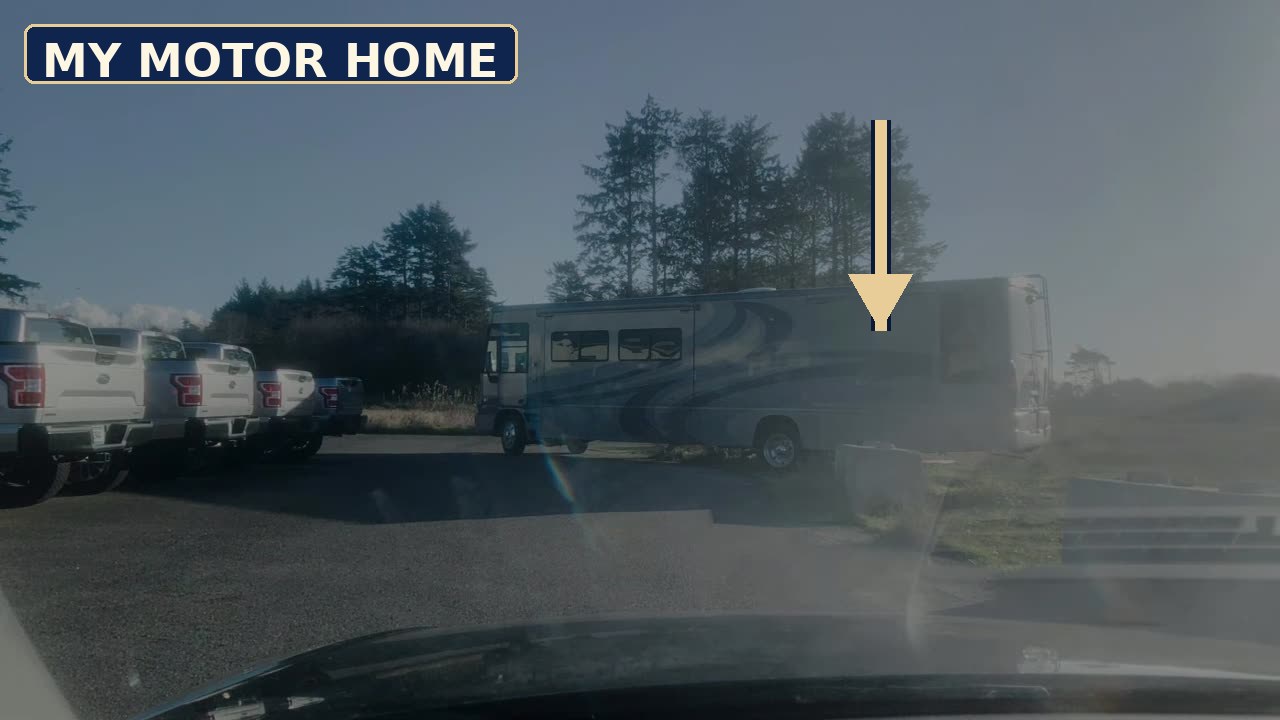
THE WORK ON THE GROUND — MY BUILDING, MY CABIN, MY MOTOR HOME
I built and rehabbed in Grays Harbor. This is the work, on the ground — the apartment building, my cabin, and my motor home.
Santiago and Taholah beach, November 7, 2020 — my apartment building, my cabin, and my motor home.
INSIDE THE APARTMENT BUILDING
Inside the apartment building — every unit, the halls, the stairs, the kitchens and baths. This is what the rehab looks like, room by room.
THE ASK
A meeting with Representative Walsh as soon as possible; that he carry the CCH citizen tally; and that his freeze resolution and CCH generational housing move together, so tax relief reaches the families who stay on their land.
Angel Potter
(425) 591-0120
thefinancelady@icloud.com
pohdner.com